Forgive my new tendency to title everything like a 1980s public service operation. It is a phase I am going through. This, unfortunately, is another reflective post with no new images in sight. So please forgive my using the same image as my last post!
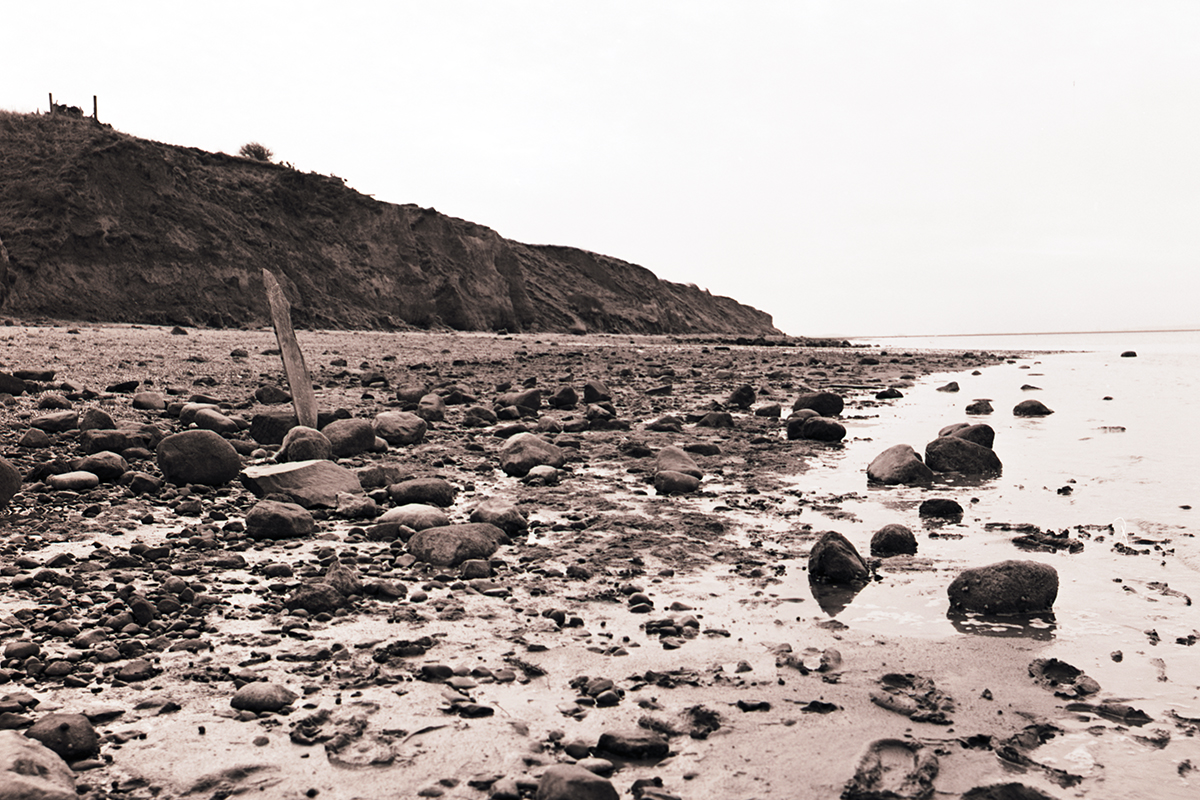
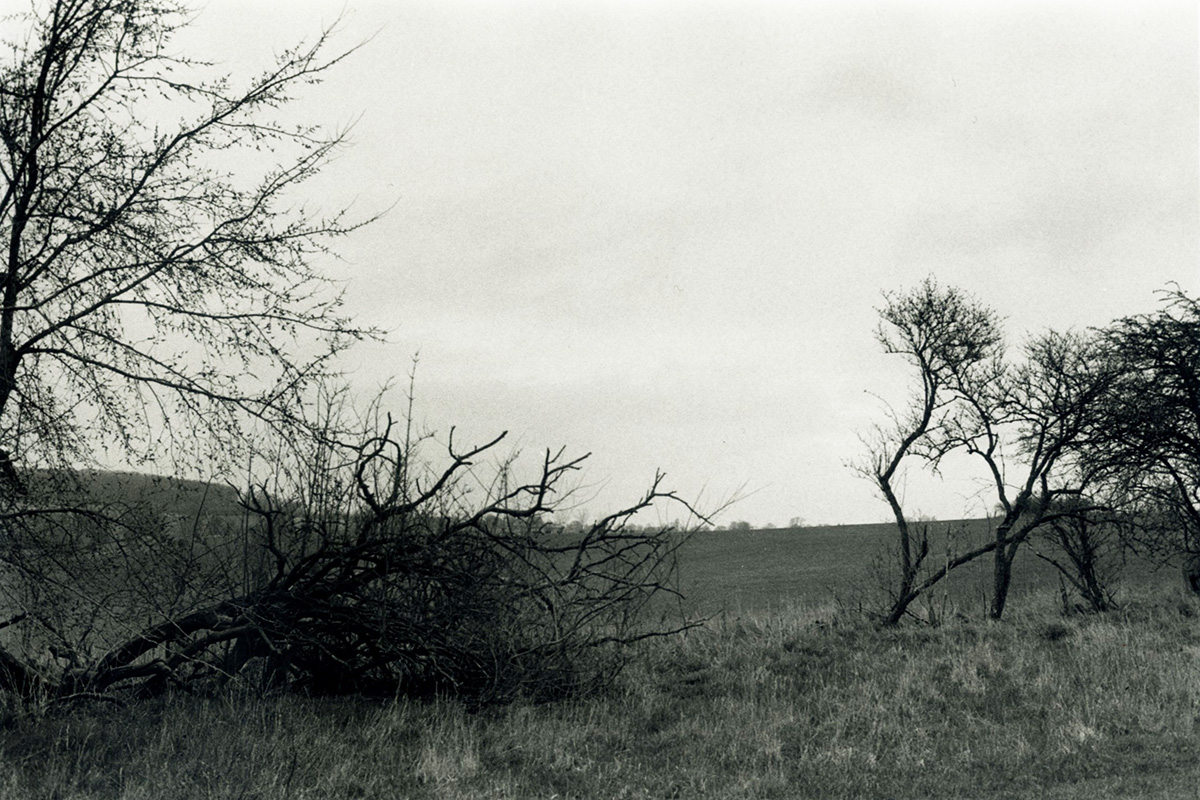
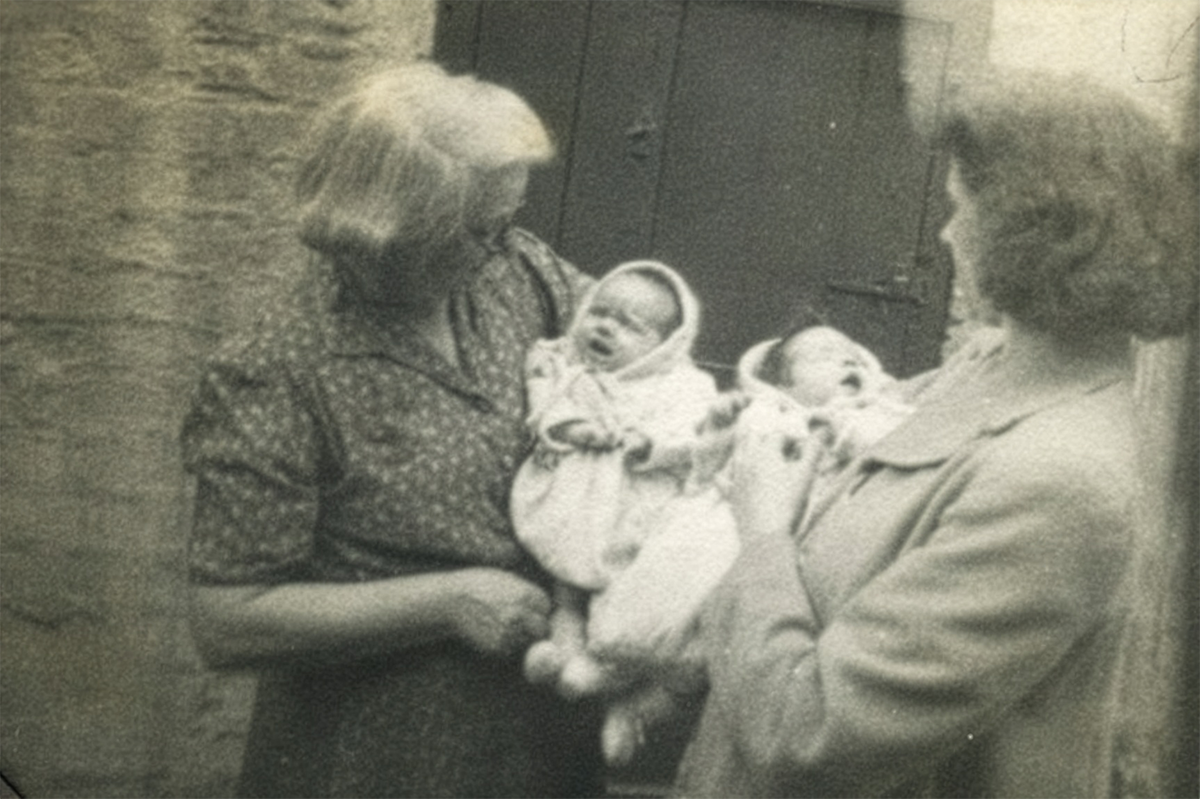
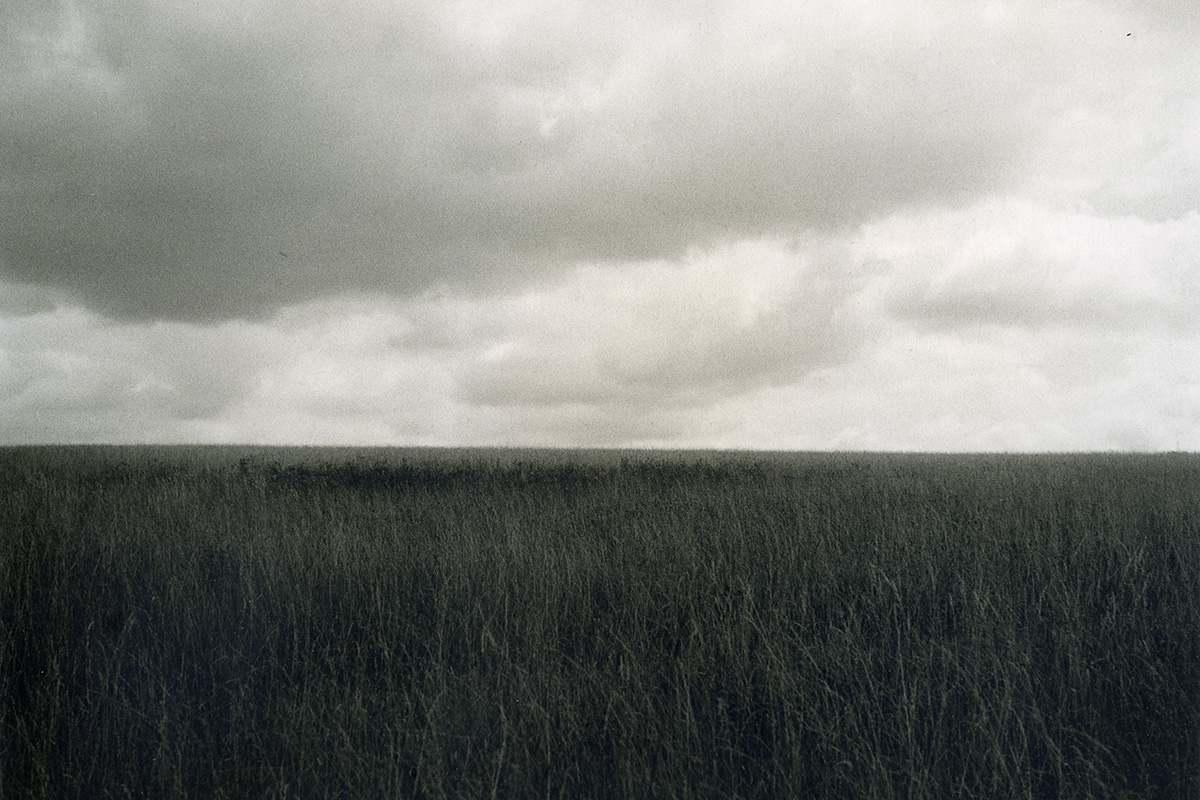
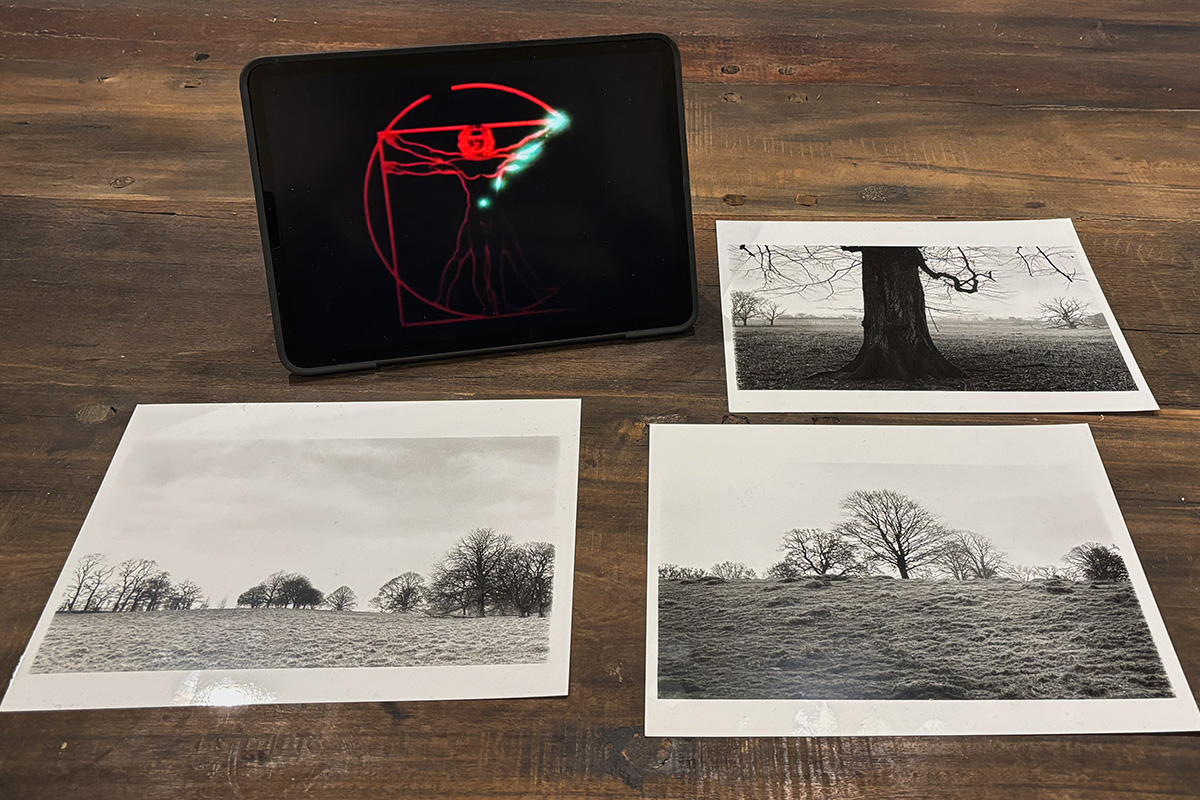
This week, after work—as I tried and failed to find something other than retro vampire porn on the BFI subscription—I kept awkwardly staring at my failed photography project, "The Parklands Commission." I left it strewn across my coffee table. It failed, and what’s worrying is how difficult it has become to imagine how it could ever work.
A few days later, something hit me hard. It was something constantly preached within this blog; something I had been intellectualizing, but hadn’t internally accepted at all. I hadn’t understood or come to terms with how it would affect my photography. It hit me as hard as the opening scenes of a 1980s World in Action title sequence, and now I don’t know what to do.
My "geek past"—growing up on various internet discussion forums—makes me wary of making such statements; more specifically, of making such statements to the wrong audience. I am talking about photography as a progressive art form. There will be many who will happily create pretty images until the day they die without a second thought, and others who assume it’s only dead when a total thermonuclear war destroys all evidence of pretty images and the possibility of creating new ones. There will also be those, with justification, who see this as the kind of stuff twats who shoot film say, and think we should all shut the fuck up. For most people, I hope you get my gist.
The pretty image has been dead for some time. In some critical photography circles, it has been said to have been dead for decades. They were not wrong; it’s more that I, and many others, didn’t fully understand it, even if we accepted it. Many years ago, I had a life-changing realization when it was explained to me that the pretty image was dead; it almost killed my photography. This year, I have realized it a second time, and finally, it has hit home further.
As explained before, the coffee table has become an important part of my photography process. In front of me are three photographs: two of which feel overly similar, while the third feels like a bit of a tangent. They seem to have no sense of completeness, no aim; they aren't even that great as images. I don’t even really know what I am looking at, and it feels like an insult to any intelligent person to call it a "body of work."
Do not worry that I am spiraling into a tangent of doom. I am grateful that I forced myself to complete this "body of work"—"body of shit," or whatever it was—quickly. If I had not forced its completion, it would remain an open project, gathering more crap in the hope that one day, through sheer volume, something could be strung together.
"The Parklands Commission" was a tiny body of work based on a very specific spot in Charlecote Park. It was a psychogeographic project intended to express a very specific mood of the place. For me, "The Parklands Commission" is like the opening scene of Teletubbies—but don’t panic, it's very different. It’s a more ancient place: harder, more rustic, with a past that seems forgotten, if it ever existed at all. Its gentle hills seem unnatural, the ground pockmarked with tunnels and dens from an unknown and long-forgotten animal. It doesn't have the Teletubbies theme tune, but rather the B-side of a Wagner symphony. The footpath is low and looks upward toward trees that feel as if they were painted against the sky with a delicate brush. If you climb the hills, the magic of the "zone" folds in upon itself and you re-enter the banality of the everyday. The zone only exists from its footpath.
That was the reasoning behind using two images that were a little too similar; they seemed to speak to me more of the zone. The third image generally gave me a different emotional response and represented another zone in the park, albeit one touching upon the "Parklands Commission" zone. I feel I should have kept all three images similar in emotion to reinforce the idea or explore it from various angles. I could have gone the other way and tried to capture zones within a certain radius that had strong but different emotional responses.
The truth is, I failed at a fundamental level. I am still thinking in terms of picturesque, "pretty" images. I am trying to slip them past the Grim Reaper by dressing them in a new deadpan/new-topographic aesthetic. Ultimately, I am still evaluating images—both in conception and reflection—by the old laws of photography. I am simply making boring images that are less overtly pretty than those made by people who clearly failed to get the memo. Neither of us has figured out the next step.
I am a believer in Arthur Danto’s theory that art is dead. People keep spouting that old line: "People say photography killed art; how wrong they were, look at art now." Yes, look at art now. It’s not even a shadow of its former self; as a series of movements, it finished years ago. Art as a movement ended and revealed itself as philosophy. AI has now shoulder-barged photography into that space as well. Perhaps it has potential in the areas of authenticity and memory, but it is now dipped more deeply into "philosophy sauce" than ever before.
The only path forward is not to think in terms of photography, but in terms of ideas—my idea being the attempt to express the psychology of place. I need to concern myself only with the intellectual task of trying to achieve that with a camera.
To put my own spin on such highbrow artistic realizations: I am a crap artist. I have a full-time job. I am not a great intellectual. I still love a nice technical darkroom print; I am a sucker for a picturesque image. I am going to fail!
I need to keep my photography fun and productive. I need to protect myself from getting locked inside my own head, overthinking to the point of stagnation. I just need to stay free, keep it fun, take more risks, make more crap, and do it like nobody’s looking. Simply, I need to feel and understand my response to the environment—while understanding that nobody is looking even if I do make that deadpan or pretty image repeatedly.
Keep your photography and philosophy sane, folks.